


Semi-automatische RFID toegangscontrole Tripod Draaipoort: Hoe werkt het?
2026-08-28


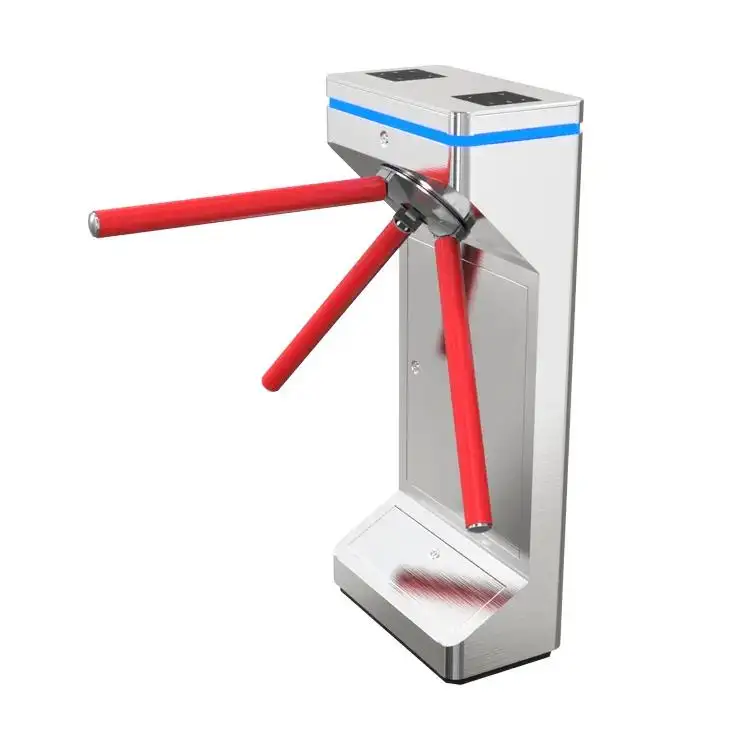
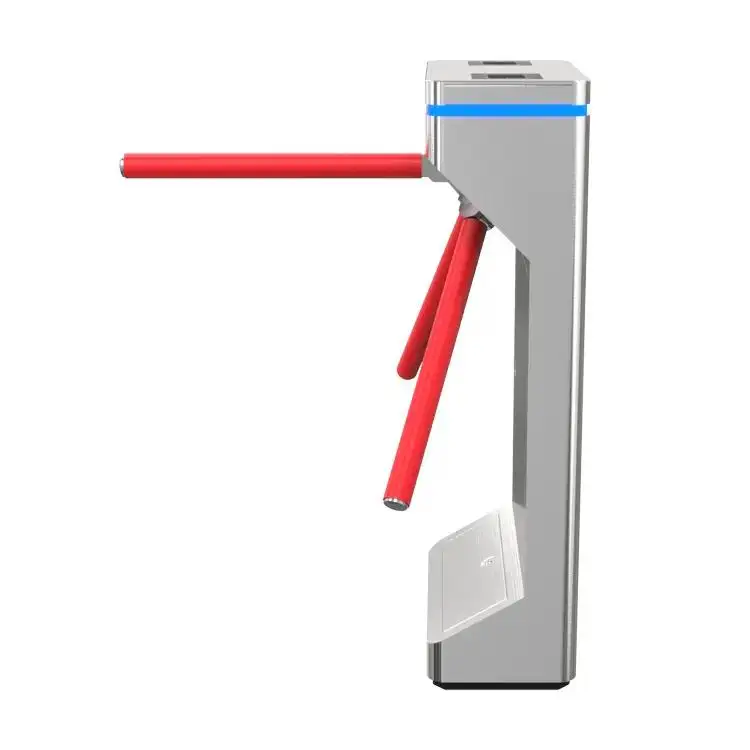
Een RFID Access Control Tripod Turnstile Gate is niet simpelweg een kaartlezer die in een roestvrijstalen kast is gemonteerd. Het is een gecoördineerd systeem waarbij de RFID-lezer het inloggegevens identificeert, De toegangsbeheerder neemt de autorisatiebeslissing, en het statiefmechanisme beperkt fysiek de doorgang tot één geïndexeerde rotatie.
Voor fabrieken, Kantoorgebouwen, Campussen en bouwplaatsen, Deze opstelling verbindt identiteitsgegevens met daadwerkelijke voetgangersbeweging. Echter, De prestaties hangen af van meer dan alleen of een kaart gelezen kan worden. Kaartprotocol, Controllerrespons, Rijstrookcapaciteit, Noodgedrag en installatiecondities moeten samen worden ontworpen.
Wat gebeurt er nadat een RFID-kaart is gepresenteerd?
Een semi-automatische RFID Access Control Tripod Turnstile Gate volgt vijf functionele fasen:
- De lezer registreert het kaartinlogement.
- De controller controleert de gebruiker, Schema en toegangsniveau.
- Een relais of communicatiecommando maakt het vergrendelingsmechanisme los.
- De voetganger duwt de arm door één geïndexeerde beweging.
- Het mechanisme reset en vergrendelt voor de volgende autorisatie.
"Semi-automatisch" dus betekent dit niet dat de poort zonder stroom werkt. De RFID-lezer, Bedieningspaneel, indicator- en elektromagnetische vergrendelingscomponenten vereisen nog steeds elektrische stroom. Het verschil is dat de voetganger de kracht levert die nodig is om de armen te draaien.
Dit vermindert de complexiteit van het aandrijfsysteem vergeleken met een volledig gemotoriseerde poort, terwijl het een eenpersoonsdoorgang beter behield dan een onbeveiligde kaartlezer-ingang.
RFID-inloggegevens en gate-release-signalen zijn verschillende controlelagen
Een RFID Access Control Tripod Turnstile Gate bepaalt normaal gesproken niet of een kaarthouder gemachtigd is. De RFID-lezer registreert het credential, terwijl de toegangscontroller de rechten controleert en een apart release-commando naar de poort stuurt.
Dit onderscheid is belangrijk bij het kiezen van een interface:
•Wiegand draagt gewoonlijk inloggegevens van de lezer naar de toegangscontroller.
•Droog contact biedt een eenvoudige oplossing, Spanningsvrije ontgrendelingsopdracht na autorisatie.
•RS485 kan controle- of statusgegevens uitwisselen over grotere kabelafstanden.
•TCP/IP ondersteunt netwerkcommunicatie, Afstandsbeheer en integratie op systeemniveau wanneer het vereiste protocol beschikbaar is.
Het gebruik van droogcontactregeling, De integrator moet de logica kennen van de normaal open of normaal gesloten contacten, De lengte van de relaispulsen, en de aparte in- en uitgangsingangen. Een te korte relaispuls kan het mechanisme niet loslaten, en een relaispuls die niet wordt gereset kan de doorgang ongeautoriseerd achterlaten.
Bij het installeren van de RFID Access Control Tripod Turnstile Gate, Ongebruikte autorisatietime-outs, Meervoudige kaartpresentaties, gelijktijdige verzoeken in beide richtingen, en verlies van controllercommunicatie moet worden getest. Om het potentieel voor elektromagnetische interferentie te verminderen, Stroom- en signaalkabels moeten apart worden gelegd, met afscherming en aarding en ook met overspanningsbeveiliging geïnstalleerd volgens de installatieomgeving.
Hoe IRONMAN Intelligente Specificaties het Projectontwerp Bepalen
IRONMAN Intelligent produceert statiefkasten via processen waaronder walsen, Stempelen, Lassen en oppervlakteafwerking, gevolgd door inspecties van ruwmateriaalselectie tot finish-gate testing. Binnen ons gepubliceerde statiefbereik, De technische gegevens moeten worden gelezen in relatie tot de applicatie—niet als een geïsoleerde specificatielijst.
| Productiespecificatie | Technische betekenis |
| 1.5 mm SUS304 roestvrijstalen kast | Biedt een hogere structurele stijfheid en algemene corrosiebestendigheid voor commercieel en industrieel gebruik |
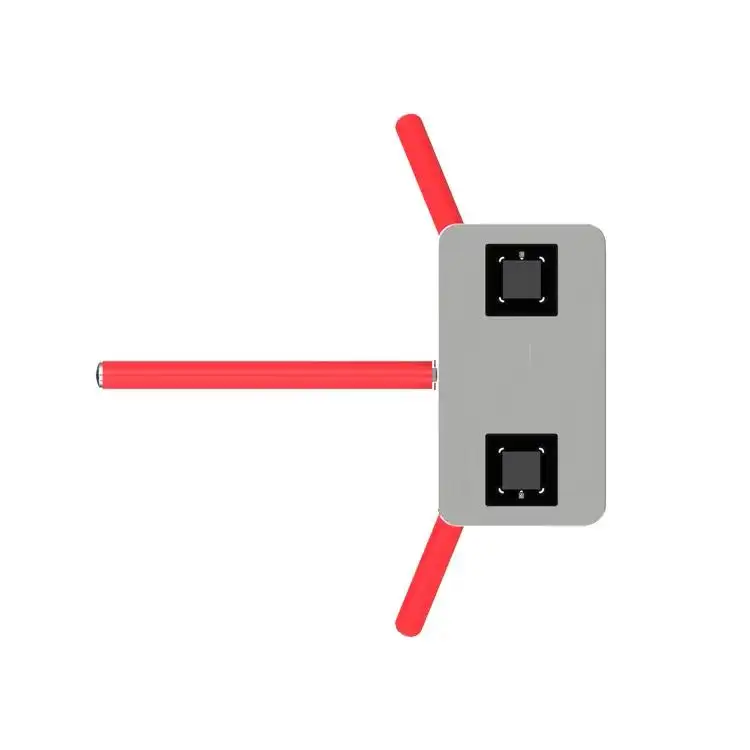
| Compact 520 × 240 × 1000 MM-configuratie | Vermindert de kastvoetafdruk, maar het armveeg- en wachtrijgebied moeten nog steeds worden opgenomen |
| Verlengd 1500 × 240 × 1000 MM-configuratie | Biedt extra kastruimte voor integratie van de lezer en projectspecifieke indelingsvereisten |
| 550–600 mm referentiedoorgangsbreedte | Geschikt voor normale voetgangerspaden; Een aangrenzende toegankelijke poort is nog steeds nodig |
| Ruim 8 miljoen bedrijfscycli op een gepubliceerde statiefconfiguratie | Ondersteunt hoogfrequente projecten wanneer het geïnstalleerde mechanisme overeenkomt met de geteste configuratie |
| 100–240 V ingang | Vereenvoudigt de inzet over verschillende elektriciteitsnetten, Onder voorbehoud van correcte aarding en overspanningsbeveiliging |
De compacte semi-automatische configuratie en de verlengde statiefconfiguratie zijn verschillende productie-opties. Dimensies, Levensduurclaims en doorgangsbreedte moeten altijd gekoppeld zijn aan de exacte configuratie die in de aankoopspecificatie is vermeld.
Vergelijk de controle-opties voordat je bestelt
Een RFID Access Control Tripod Turnstile Gate moet worden vergeleken over de bedrijfsmodus, Credentialtechnologie, Communicatie en noodlogica.
| Beslissing | Optie A | Optie B | Selectie-impact |
| Rijmodus | Semi-automatisch | Volledig automatisch | Semi-automatisch verlaagt de mechanische complexiteit; Automatisch verbetert het gebruiksgemak |
| Geloofsbrief | RFID-kaart | QR of gezichtsherkenning | RFID is geschikt voor terugkerende gebruikers; QR is geschikt voor bezoekers; Gezichtsherkenning vermindert het beheer van inloggegevens |
| Interface | Droog contact | RS485, Wiegand of TCP/IP | Dry contact biedt basisontgrendeling; Data-interfaces ondersteunen diepere systeemintegratie |
| Richting | Enkelrichting | Bidirectioneel | Tweerichtingscontrole vereist lezers en autorisatielogica aan beide kanten |
| Vermogensverliestoestand | Vrije rotatie/fail-drop | Blijf vergrendeld | Uitgangs- en hoge beveiligingsvereisten moeten in balans zijn |
Bij IRONMAN Intelligent, RFID, QR-code, vingerafdruk, Gezichtsherkennings- en ticketterminals kunnen worden geïntegreerd als projectopties. Standaard of beschikbare interfaces in onze statiefconfiguraties omvatten droog contact, RS485, Wiegand en TCP/IP. De vereiste interface moet vóór productie worden bevestigd, omdat inloggegevens en communicatieprotocollen niet uitwisselbaar zijn.
Match de kaart, Lezer en Controller
"RFID-compatibel" Dat betekent niet dat elke kaart werkt. Voordat ik een RFID-toegangscontrole-driepoot draaihek produceerde., We raden aan om dit te bevestigen:
•LF, HF of een andere vereiste RFID-frequentie
•Kaartfamilie en encryptiemethode
•Lezeruitgang en controllerinvoerformaat
•Duur van de relaispuls
•Vereisten voor offline autorisatie
•Aanwezigheid, bezoekers- of HR-systeemprotocol
•Verantwoordelijkheid voor in- en uitgangsgebeurtenisopslag
De controller moet ook definiëren wat er gebeurt als iemand toestemming geeft maar niet slaagt, keert richting om of presenteert een tweede kaart tijdens de resetperiode. Deze timingregels beïnvloeden zowel de beveiliging als de prestaties van de wachtrij.
Installatie en onderhoud Moet Match de omgeving
SUS304 verbetert de duurzaamheid van kasten, maar roestvrij staal stelt niet automatisch een IP-classificatie vast. Een volledig blootgestelde buiten-RFID Access Control Tripod Turnstile Gate vereist gecontroleerde afdichting, Afwatering, Kabelklieren, Beschermde elektronica en, waar nodig, Een bladerdak. Kust- of chemisch agressieve locaties kunnen SUS316 vereisen in plaats van SUS304.
De installatie moet expansieboutverankering omvatten, Aparte stroom- en signaalroutering, Beschermende aarding en tests voor ontgrendeling, Richtingscontrole en noodvrijstelling. Onderhoud moet zich richten op mechanische spanning, armbevestigingen, Vergrendelingspositie, bedradingklemmen en kastintegriteit in plaats van te wachten op een doorgangsstoring.
Controleer veiligheid en naleving vóór aankoop
Europese projecten zouden EN moeten evalueren 17352:2022 voor veiligheid van elektrische voetgangersingangen, samen met toepasbare machines, EMC, Elektrische veiligheid, RoHS en radioapparatuurvereisten. Een CE- of FCC-merk moet worden ondersteund door een verklaring, Toepasbaar testrapport en exacte productconfiguratie.
ISO 9001 betrekking heeft op het kwaliteitsmanagementsysteem van de fabrikant; Het vervangt niet testen op productniveau. Kopers dienen ook gedocumenteerde cycluslevensomstandigheden aan te vragen, Noodmodus gedrag, Materiële bevestiging, Bedradingschema's en informatie over reserveonderdelen.
Een correct gespecificeerde RFID Access Control Tripod Turnstile Gate verbindt mechanische besturing, elektronische autorisatie en siteveiligheid als één systeem. Deel je kaarttype, Spits van het verkeer, toegangsomgeving en vereiste interface met IRONMAN Intelligent, en ons team kan helpen bij het definiëren van een technisch compatibele driepoot-poortconfiguratie vóór de offerte.
Veelgestelde vragen
Q1. Welk materiaal gebruikt IRONMAN Intelligent voor zijn RFID-statief-draaipoortkasten?
De semi-automatische driearmige configuratie van IRONMAN Intelligent gebruikt een 1.5 mm SUS304 roestvrijstalen kast. Het materiaal zorgt voor structurele stijfheid en algemene corrosiebestendigheid voor commerciële en industriële ingangen.
Q2. Hoe werkt een IRONMAN Intelligent semi-automatische RFID-statiefdraaipoort?
Nadat het RFID-inlogement is goedgekeurd, De regelaar laat het vergrendelingsmechanisme los. De voetganger duwt de arm door één geïndexeerde rotatie, waarna het mechanisme wordt gereset- en vergrendeld voor de volgende gebruiker.
V3. Welke authenticatiemethoden kunnen IRONMAN Intelligent integreren?
De RFID Access Control Tripod Turnstile Gate kan worden geconfigureerd met RFID-kaarten, QR-codes, Vingerafdruklezers, Gezichtsherkenningsterminals of ticketapparatuur. De geselecteerde terminal en het communicatieprotocol moeten vóór productie worden bevestigd.
Q4. Welke besturingsinterfaces ondersteunt IRONMAN Intelligent?
Droogcontact is beschikbaar voor basis loslaatregeling, terwijl RS485 en TCP/IP kunnen worden geselecteerd voor systeemintegratie. Sommige IRONMAN Intelligent statiefconfiguraties ondersteunen ook Wiegan-verbindingen tussen lezers en toegangscontrollers.
V5. Kan de poort zowel de in- als de uitgang regelen??
Ja. IRONMAN Intelligent biedt enkelvoudige en tweerichtings-passageconfiguraties. Een bidirectioneel project zou de plaatsing van de lezer moeten definiëren, richtingsprioriteit en hoe gelijktijdige in- en uitstapverzoeken worden behandeld.
